
-
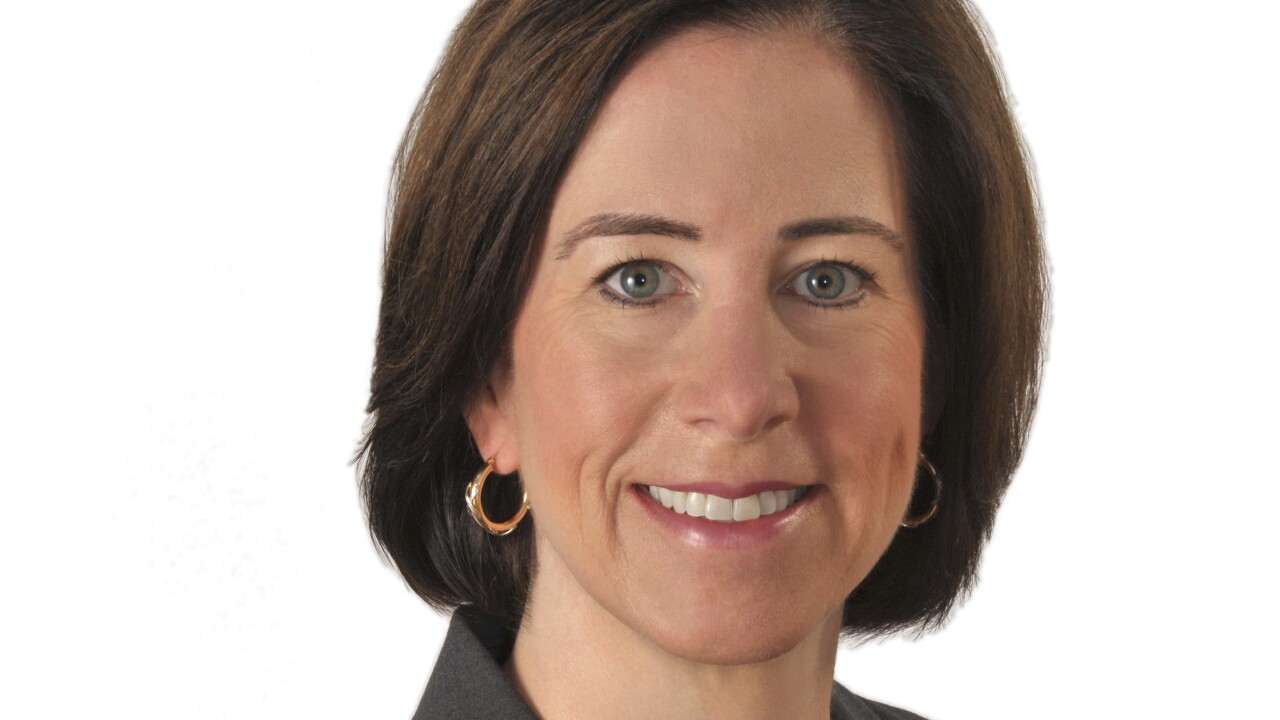
Catherine Leffert covers all things banking, including credit scandals, mergers and acquisitions, compliance blunders and the wonkiest accounting rules you've never heard of. She joined American Banker in 2022, and is based in Washington, D.C.
Obsessed with understanding why banks do what they do, Catherine has investigated the
nuances of commercial real estate risk, and covered the mechanics of synthetic risk transfers andprivate credit. Her coverage ofTD Bank's novel money-laundering failures dug into anever-before-used regulatory process to revoke banks' charters — an oddity that Sen. Elizabeth Warren flagged to the Justice Department weeks later.Previously, Catherine covered banking and private equity in Dallas, where she was born and raised, at a time when the region was one of the fastest-growing economies in the country.
Catherine graduated from Syracuse University, and was managing editor of the city's independent, student-run newspaper, The Daily Orange. Her reporting has been honored by the American Society of Business Publication Editors and the Society of Professional Journalists. She's also been chosen for fellowships by the Wharton School of the University of Pennsylvania and the Society for Advancing Business Editing and Writing.
Email Catherine at catherine.leffert@americanbanker.com. Reach her on Signal at @catherineleffert.01.
January 5
-
-
Liquidations and delistings reached 98 in 2016, an all-time high.
January 5
-
Judith Rinearson is a partner at K&L Gates. She works out of the firm's London and New York offices.
January 5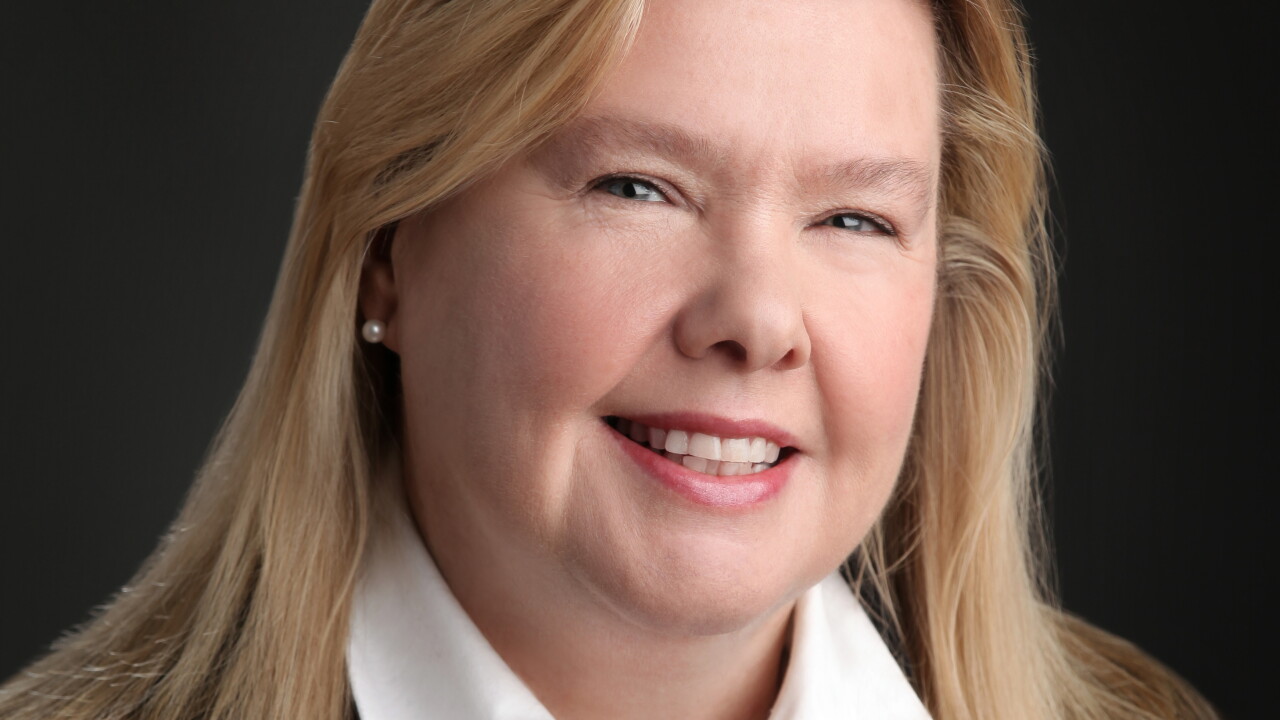
-
Liquidations and delistings reached 98 in 2016, an all-time high.
January 5 -
-
While the bulk of the money flowed into products that track indexes, more than $50 billion was absorbed by active funds.
January 5
-
With a deep résumé representing Wall Street firms, Jay Clayton is seen as a business-friendly choice not expected to push major new regulations or ramp up RIA exams.
January 4
-
The former broker, who pleaded guilty to securities fraud last month, allegedly promised clients returns of up to 15% and used proceeds for personal expenses.
 January 4
-
Proponents of defined-contribution plans envisioned them as supplements to defined benefit plans; they didn't anticipate that 401(k)s would largely replace pensions.
January 4


