-
A wave of corporations have made changes to their PAC giving since a mob supporting President Donald Trump stormed the Capitol last week.
January 14
-
Policy changes could deprive some politicians of significant campaign funds.
 January 12
-
While many condemned the violence, few firms have cut financial support to elected officials who have backed Trump’s baseless claims of election fraud.
January 11
-
Democrat Joe Biden is expected to name his SEC chairman pick in the coming weeks.
November 16
-
With a divided government, some proposals are bound to change as part of the give-and-take of the legislative process, writes Skip Schweiss.
November 7 Financial Planning Association
 -
Big changes to regulations and retirement planning could be in the mix following the Democrat’s election victory.
November 7
-
With a Democrat set to take the White House in January, the agenda for agencies like the CFPB could undergo a rapid transformation, housing finance reform could be turned on its head and progressive banking ideas that were unthinkable over the past four years could gain traction.
November 7
-
The uncertainty could lead to market volatility, delayed stimulus negotiations and complicate planning for a potentially new regulatory environment.
 November 4
-
What different outcomes could mean for financial planners and their clients.
November 4
-
This election cycle has had more than a few bad surprises, but my advice to clients remains the same.
November 2 Wealth Logic
 -
Many taxpayers want to pay less themselves — but want others to pay more.
 October 28
-
At the center is a pledge not to increase rates on those making less than $400,000, and that various changes would only impact earnings above the threshold.
 October 14
-
Whatever the outcome in November, taxpayers and their advisors should prepare for changes, an expert says.
 October 6
-
The agency issued guidelines scaling back a tax break for client entertainment, following through on an element of President Trump’s 2017 tax overhaul.
October 1
-
Donald Trump has all but promised to dispute the election outcome if he loses. Wall Street’s taking him at his word.
September 29
-
A majority of wealth managers worry about non-business concerns such as the national debt, immigration, civil unrest and media bias, according to a new survey.
September 25
-
Chairman Jerome Powell and other officials have stressed that recovery is highly dependent on the nation’s ability to better control the coronavirus.
September 16
-
Under the proposals, the top 0.1% of earners would be subject to a 43% tax rate on their income.
September 14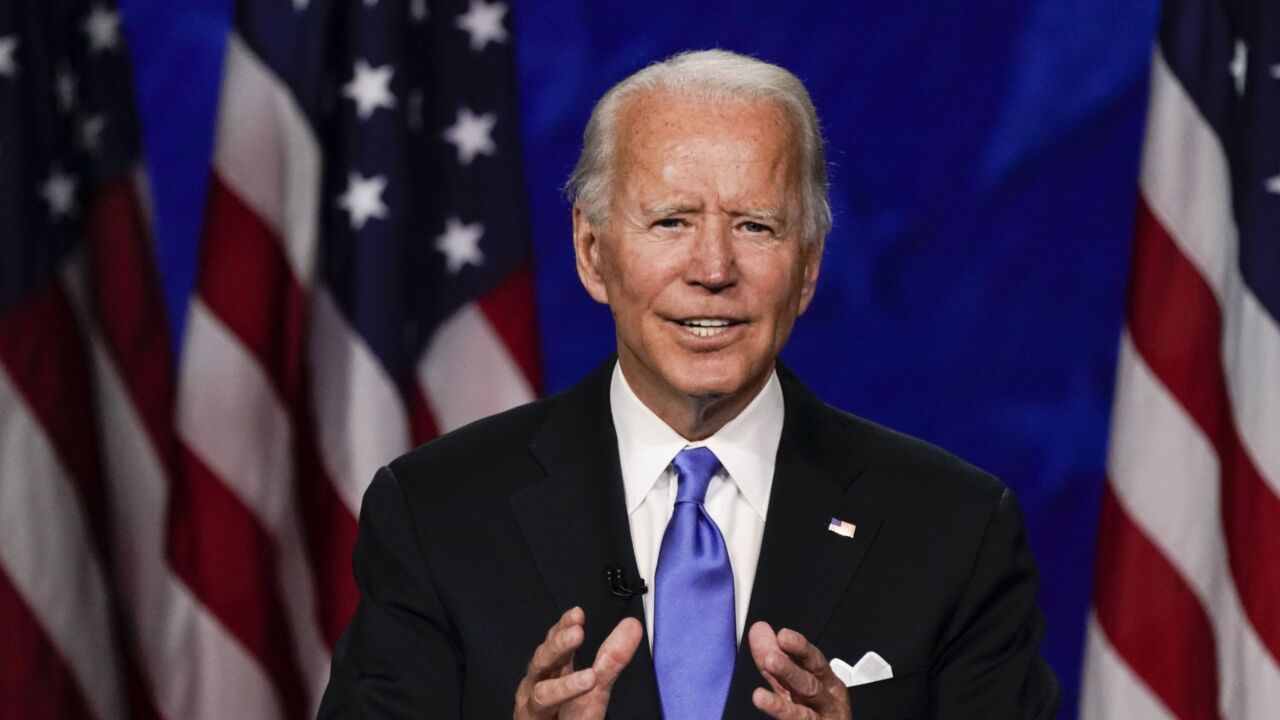
-
The executive order provides "temporary relief for employers" to “pay the employee portion of Social Security payroll taxes,” confirms Republican Rep. Kevin Brady.
September 11
-
The new order applies to managing directors and executive directors who oversee subordinates, according to a person briefed on the plans.
September 11