-
From shopping for better interest rates to tax strategy to cash flow, financial planners can play a vital role in helping clients prepare to take out a mortgage.
 11h ago
-
As regulators lower regulatory hurdles, many advisors are seeking greater access to private investments, while asset managers and fintechs are trying to eliminate technical barriers keeping regular investors out.
 September 28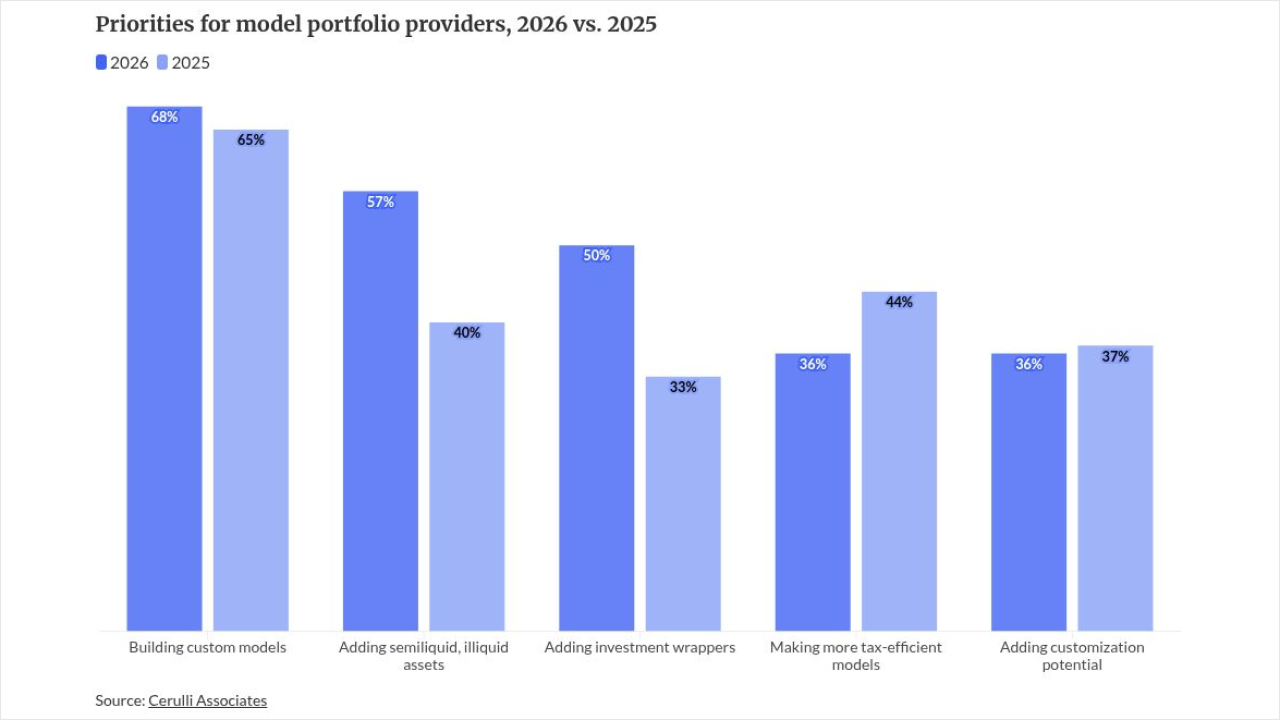
-
Private-placement life insurance can offer tax-free growth and alternative investments for ultrawealthy clients, but advisors warn it isn't right for everyone who can afford it.
September 28
-
Recent tax law changes are prompting businesses to rethink entity structures. Here's what financial advisors need to know when guiding clients or making decisions about their own RIAs.
September 24
-
The days of a few firms hiring a summer intern with vague plans for them to perform menial tasks around the office may be finally coming to an end. Here's how experts say RIAs can create successful internship programs.
 September 24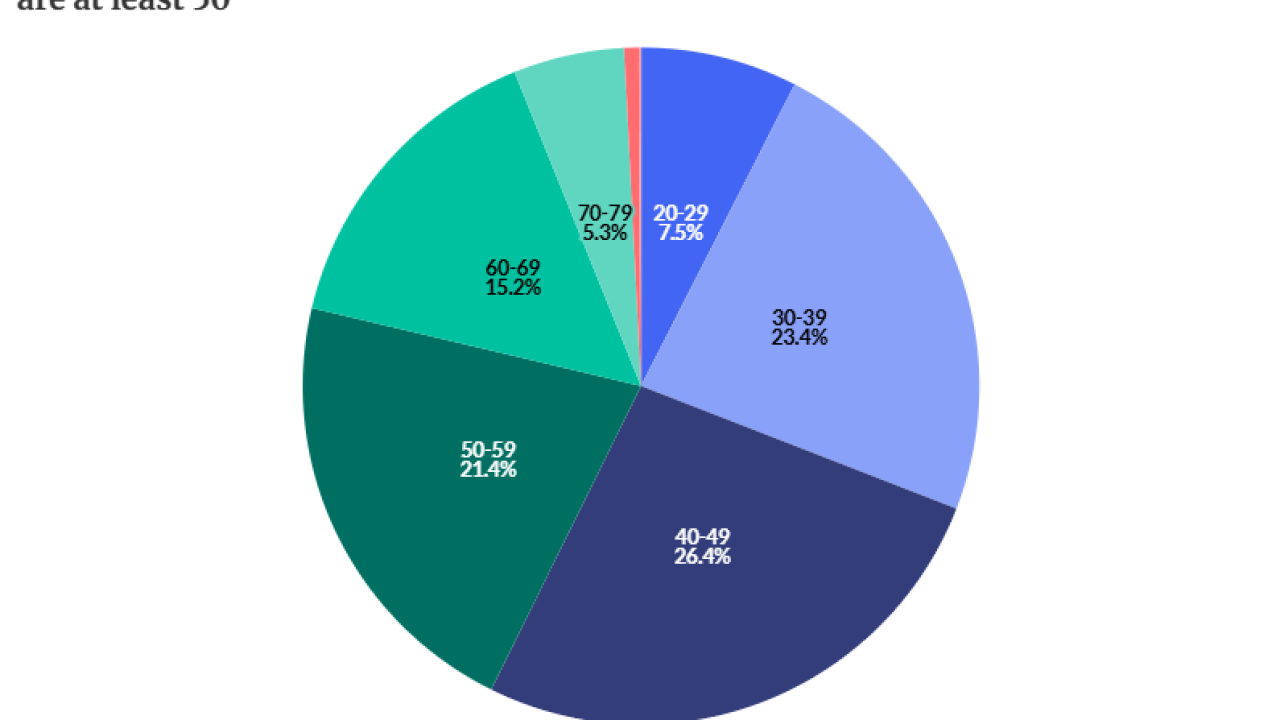
-
Succession planning experts say that the possible next generation of RIA owners need clear communication, tangible career paths and thoughtful compensation plans. But that is often easier said than done.
September 23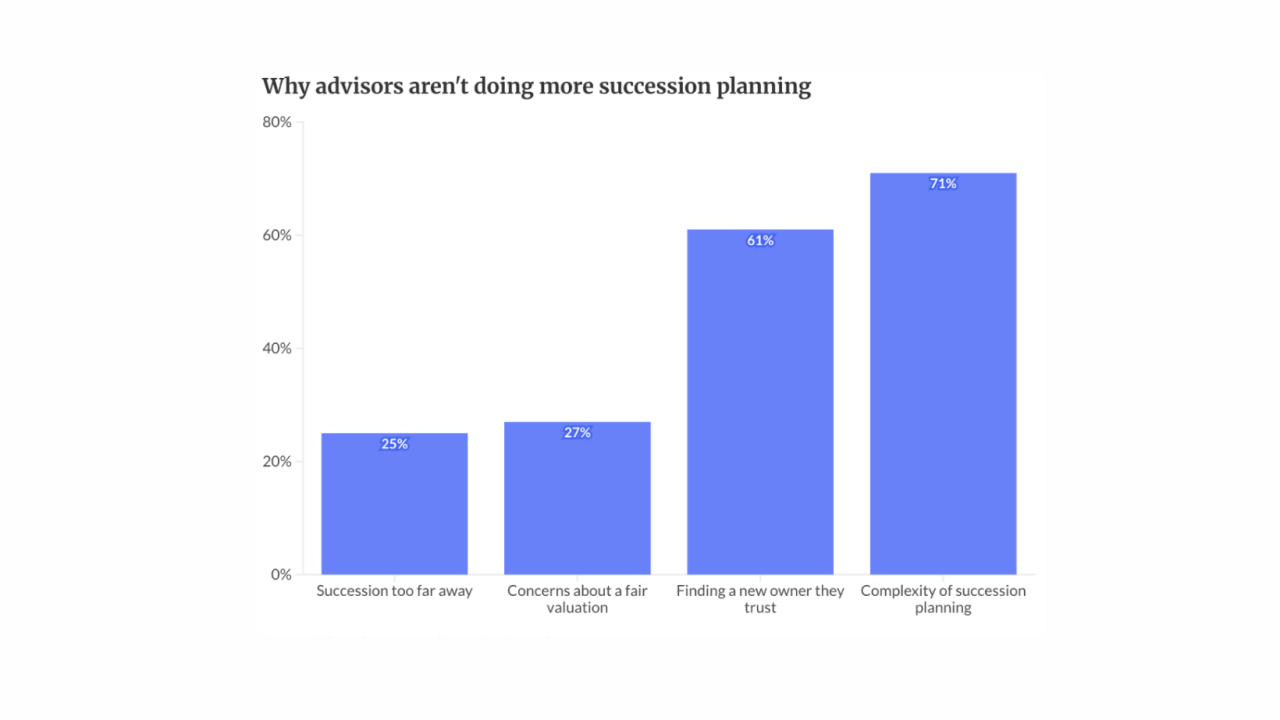
-
Nearly half of respondents reported plans to claim benefits early, with many citing fears about the health of the Social Security program.
September 22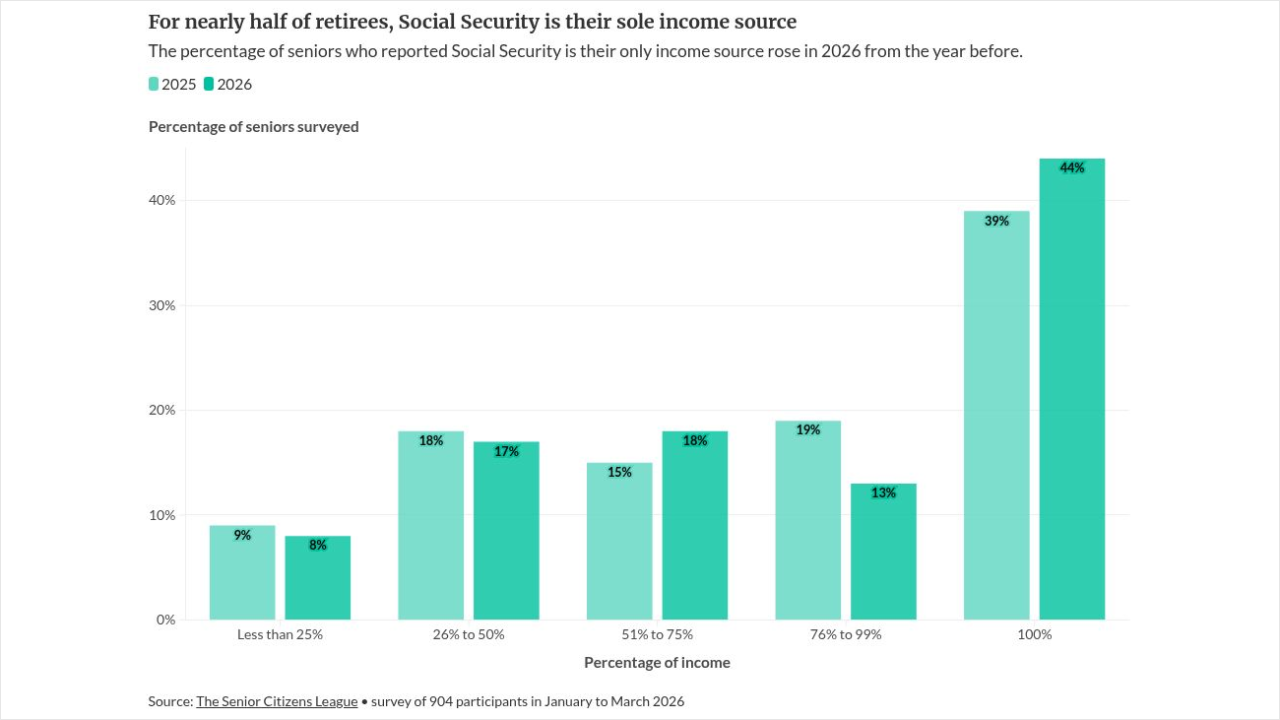
-
State-level estate taxes can be imposed at much lower thresholds. From domiciles to the timing of moves, here's what financial advisors should keep in mind.
September 21
-
From buried treasure to a "hot shot" hauling business on the road, advisors share the client retirement plans they never saw coming.
 September 18
-
In a series of webinars and journal articles, two lawyers and a financial planner are leading a collaborative discussion about how estate planning professionals can better serve African American clients and, in turn, all customers.
September 18
-
As college costs rise, some clients who fear their children taking on early debt make too much to qualify their children for aid, but not enough to pay for school outright.
September 18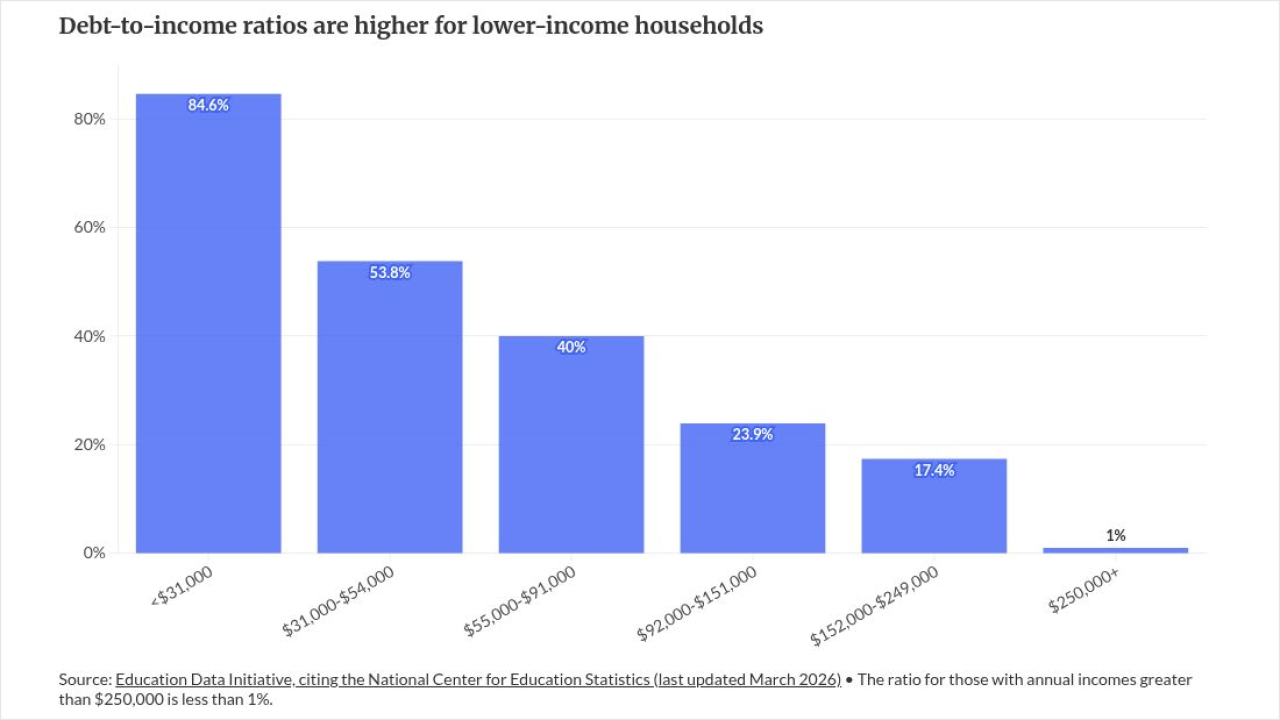
-
Osaic expected advisor departures during its massive consolidation of nine separate broker-dealers within its corporate structure. But CEO Jamie Price says the effort positioned the firm well for a future liquidity event. Here's how the independent broker-dealer is rebuilding.
September 17
-
A bipartisan bill awaiting a Senate vote aims to reduce tax burdens for financial fraud victims by restoring an expanded personal casualty loss deduction.
September 16
-
Taxes can erode portfolio value in ways that add up over time. Explore five active investment strategies that can reduce capital gains tax impacts for clients.
September 16
-
Merrill and Morgan Stanley executives' recent statements on recruiting seem to reveal starkly different approaches. But industry recruiters say they are just masking similarities.
September 16
-
Advisors discussed how they guide clients through the competing priorities of saving for their own retirements versus their children's college educations.
September 15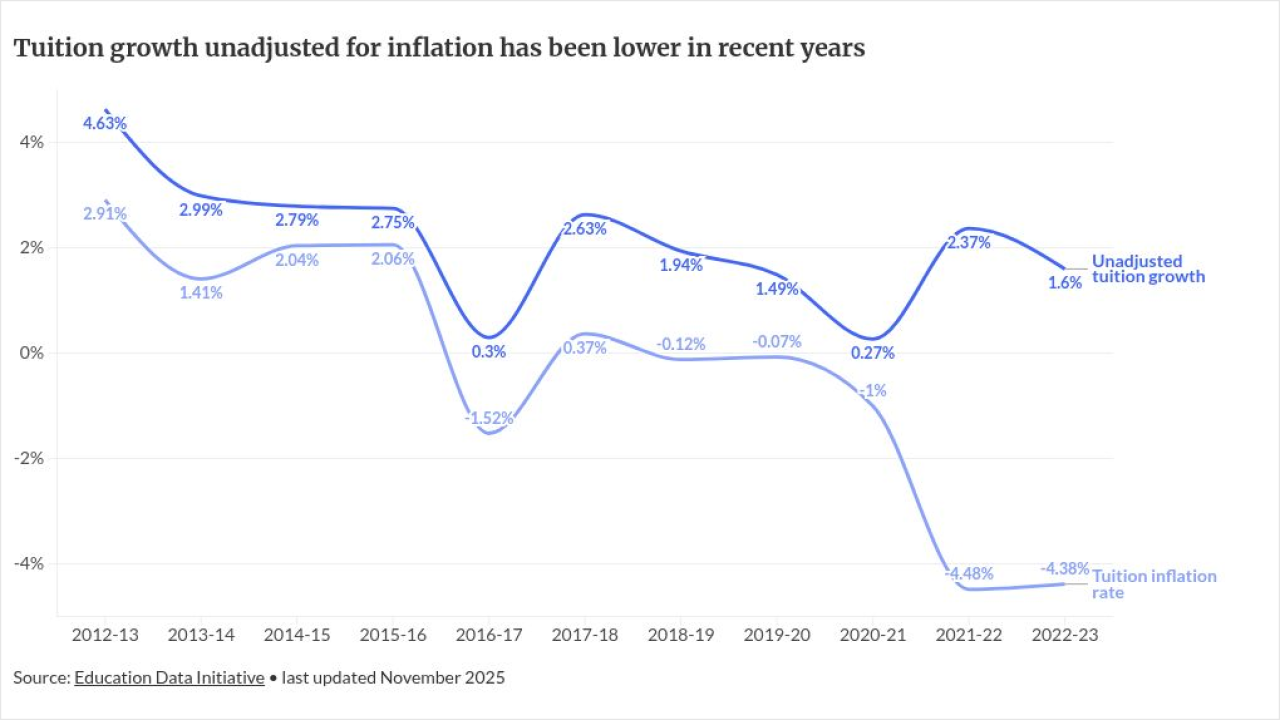
-
Financial Planning Rising Star Chukwudi Uraih of Lampados Financial Group helps first-generation professionals and immigrants navigate growing wealth.
 September 14
-
Financial Planning Rising Star Marigny deMauriac of deMauriac draws on a counseling background to help women navigate divorce, loss and financial change.
 September 14
-
Financial Planning Rising Star Cristina Wiebelt-Smith of Gertsema Wealth Advisors left tax season behind for a career centered on planning and service.
September 14
-
Gabbi Cerezo swapped lesson plans for financial plans, bringing teachers' instincts to a client base of educators and government employees.
September 14